

The Benefits of Woodburning Stoves
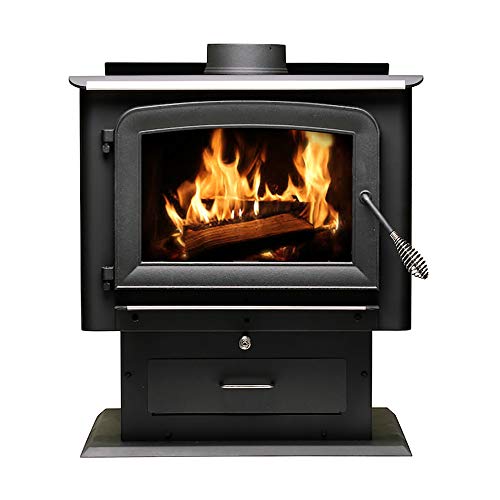
A woodburning stove is a type of heating appliance that burns wood fuel. It has a solid metal closed firebox, often lined with fire bricks, and one or more air controls.
Modern stoves feature an improved combustion process based on providing air at two different levels This means you'll be able to save money on energy bills and still enjoy a genuine flame and radiant heat.
Warmth
Woodburning stoves offer a natural cheap, cozy, and affordable way of heating homes. They are not only a great alternative to central heating that is powered by gas or oil however, they also generate radiant heat which warms rooms quickly and efficiently. This makes a wood stove an ideal option for those who live in a remote area or who want to cut down on their energy consumption.
A woodburning stove can also help to reduce carbon emissions within your home. It is a fuel that is low in carbon and absorbs carbon dioxide throughout its lifetime as plants. Wood-burning stoves can improve the condition of forests, since many of them need to be trimmed in order to maintain healthy growth.
Most modern wood stoves have an aid to catalytic combustion to assist with the process of combustion. They resemble a metal honeycomb and sit on top of the stove pipe. The combustor aids in the combustion of the volatile gases that escape the flame and reduce them into an easier to digest form. This helps reduce harmful emissions as well as the amount of smoke generated.
Many wood stoves are designed to be clean and easy to maintain. Some models have self-cleaning glass, and most of them are easy to clean and simple to clean. However, even the ones that don't are very easy to keep clean and are generally free from smoke when used properly.
If you are considering purchasing wood stove, make sure to verify that it is certified by the EPA (environmental Protection Agency). This means it meets the highest standards for efficiency of combustion and emissions, and can help to reduce your energy bills for your home.
A wood-burning stove also offers convection heating. This type of heat rises, which makes it ideal for heating the upstairs of your home. If your stove is located in the right spot, it will warm up the upper floors and make it feel as warm as a radiator. The warmth that rises into your bedroom will keep your warm and comfortable during the night.
Cosy Atmosphere
A relaxing evening in front of the fireplace can be very relaxing. The roaring flames and glow of the flames create a cozy environment that instantly warms up the room. This calming atmosphere is ideal for romantic evenings with loved ones or movie nights.
Wood stoves add a unique and beautiful feature to any living space, no matter whether you live in a small apartment or a sprawling mansion. They're available in a wide range of styles and designs so you can find the right one to suit your taste. Some models come with an opening for viewing that adds a touch sophistication to the interior and lets you enjoy the flames in close proximity.
When looking for a woodburning stove make sure you select one that is compliant with emissions standards. This will stop you from inhaling harmful air pollutants. Choose one that comes with an air control system, so you can regulate the heat and burn rate output, and other features that help you clean and maintain your home more efficiently.
Many people use wood burners to provide warmth and ambiance, they can also be used to cook meals in the kitchen. You can save money by cooking at home rather than going to the restaurant. If you have a large kitchen, you can even put a stove in the middle to create a stunning focal point.
If you are a homeowner who wants to improve their homes' environmentally friendly, a wood burning stove is a great option. They are extremely efficient and provide the most cost-effective way to heat your home. These stoves are also visually appealing and can stimulate other senses such as smell and sight. The sound and sight of a flame burning could also aid in lowering blood pressure, and reduce the risk of suffering from cardiovascular disease. A woodburning stove is an investment that pays off both in the short-term and long-term.
Safety
Wood stoves are equipped with safety features to help prevent accidents and fires. The flames are contained in an aluminum box that features a flue to transfer gases, smoke and other harmful particles away from your home. It is also important to make sure that the wood-burning stove complies with local and national building codes.
Keep items that are flammable away from wood stoves, fireplaces and chimneys. Toys, curtains, pillows and other decorative items that are too close could catch fire.
Make sure you have enough space between your stove and the walls of your home. This is also the case for any other combustible material in your home, like cabinets. A fire can spread quickly, causing damage to your home and harming you and family.
Always have a working carbon monoxide and smoke detector in your home, especially where a wood burning stove is located. Carbon monoxide and smoke tend to increase, so it is important to install the detectors near or on your ceiling. In case an emergency, you should also have a nearby fire extinguisher.
If you're using a wood stove, be sure to burn seasoned wood. This is because moist, soft wood can accelerate the buildup of dangerous chemical creosote that can cause chimney fires. Creosote also builds up if the fire is too big for your stove's heat output.
It is also recommended to open a window to allow air circulation into the room while you're burning the fire. This will help to prevent carbon monoxide toxicity, which can occur when you burn firewood that isn't seasoned in a closed area.
Not least, make sure your stove is regularly inspected by a professional. This will ensure that your stove is in good working order and complies with all current safety standards.
Environmentally Friendly
Wood stoves are far more eco-friendly than gas, oil or electric heating systems. They use a renewable source of fuel (wood) which is a carbon-neutral energy source, meaning that the CO2 that is released when you burn wood is absorbed by the tree as it grows, completing a closed loop of the carbon cycle. wood burning stoves small Fireplaces & Stove makes wood burning stoves a much more environmentally friendly choice than fossil fuels which require regular drilling, mining and transporting from long distances.
The environmental advantages of log burners aren't limited to the CO2 that is saved, they also emit fewer particulates into the air, which are harmful to humans and the environment. Particulate matter is a small particle of soot, 100 times smaller than the hair on the human. It can cause asthma and breathing problems in certain people.
If used properly and using locally sourced wood that has been well-seasoned, a wood fire is a great way to reduce your exposure. Modern wood stoves employ advanced combustion technologies that ensure that the fire has enough oxygen to burn efficiently, and reduce unburned fuel and harmful gasses.
You can make your wood stove even greener by purchasing it from a local supplier. Recycled or reclaimed wood is available. It can be sourced from construction sites and scraps dumped and can save you money on buying new wood. But, be careful not to purchase recycled or reclaimed timber from sources that don't comply with strict environmental standards.
If you're looking to maximize the environmental impact of your wood stove, choose one that is EPA certified. These stoves have been tested and approved to ensure they emit less than 2,5 grams of particle pollution per hour. This is lower than the emissions of many modern diesel vehicles. This is because they're engineered with air quality in mind. They have secondary and tertiary air intakes that prevent the fire from being deprived of oxygen, which can result in incomplete combustion and toxic smoke.